-
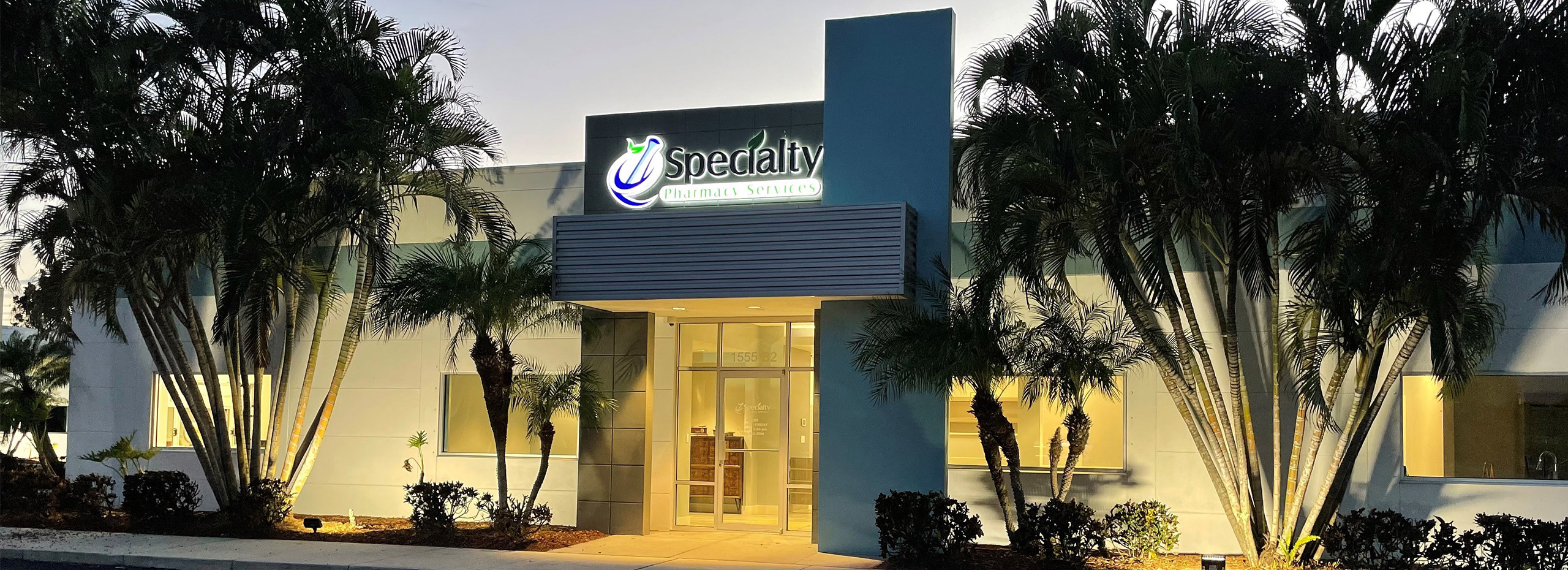 Over 25 Years of Compounding Experience
Serving Melbourne, Florida and the Space Coast Community -
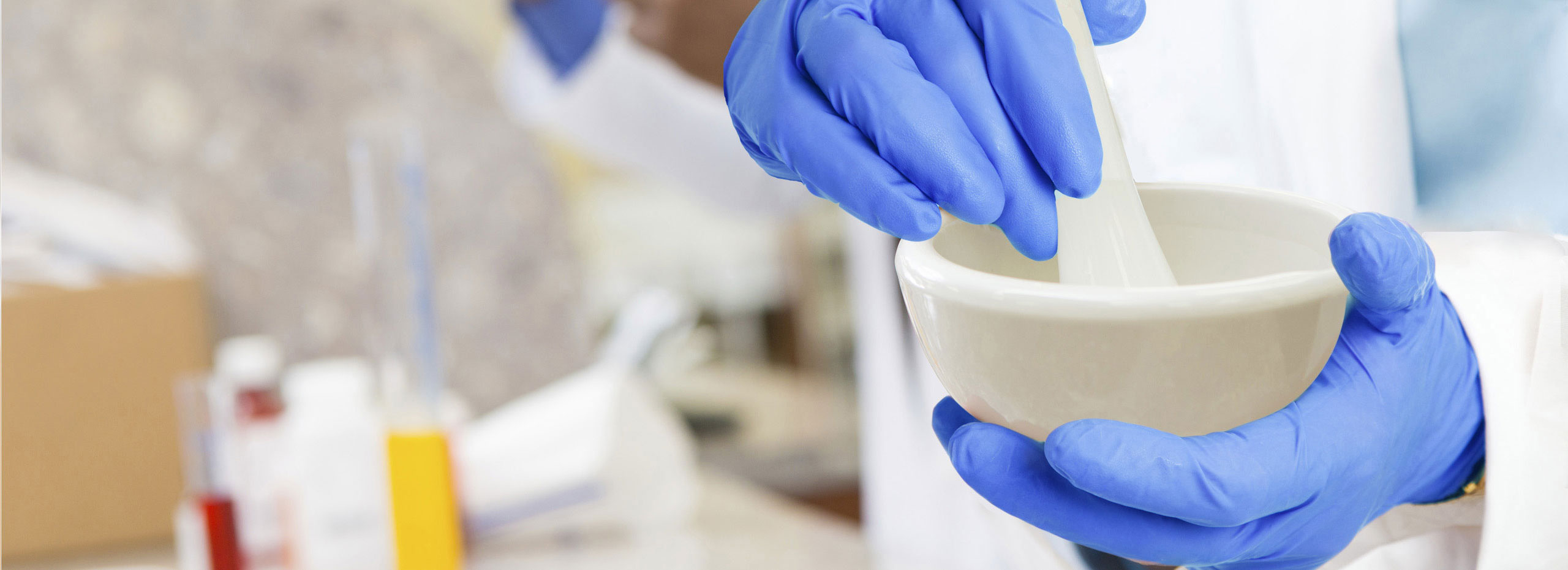 Customized Medications
To meet the needs of your entire family
-
 Solving Medication Problems
For all of your pets and furry friends




Welcome to Specialty Pharmacy Services
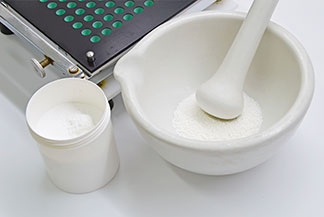
Specialty Pharmacy Services is a locally-owned compounding pharmacy 100% dedicated to human and veterinary prescription compounding. We have served the Space Coast community for more than 25 years. We provide valuable services to physicians and their patients by compounding prescriptions following a custom formula that may not be available commercially. Our pharmacy features personalized service, state of the art compounding labs, including the FlackTek SpeedMixerTM , and pharmaceutical grade vitamins and supplements.
Our Mission
At Specialty Pharmacy, our mission is to provide personalized health care solutions for our patients, human and animal. Our highly trained and courteous team of pharmacists and certified pharmacy technicians strive to improve the well-being of our community. Specialty Pharmacy is dedicated to the profession of compounding, and meeting the unique needs of each patient in a comfortable, relaxed and confidential environment.
Our goal is to continue and enhance the excellent reputation that Specialty Pharmacy established in 1996.